Few figures have as tangled a history as the lilith demon. Depending on which tradition or century you’re looking at, she’s been described as a wind spirit, a succubus, a rejected first wife, a consort of a fallen angel, and more recently, a feminist icon. Untangling where each version actually comes from tells a much richer story than any single label does.
This is one of the most common patterns I notice: people know Lilith’s name from pop culture long before they know anything about where it actually comes from.
Who Is Lilith in the Bible
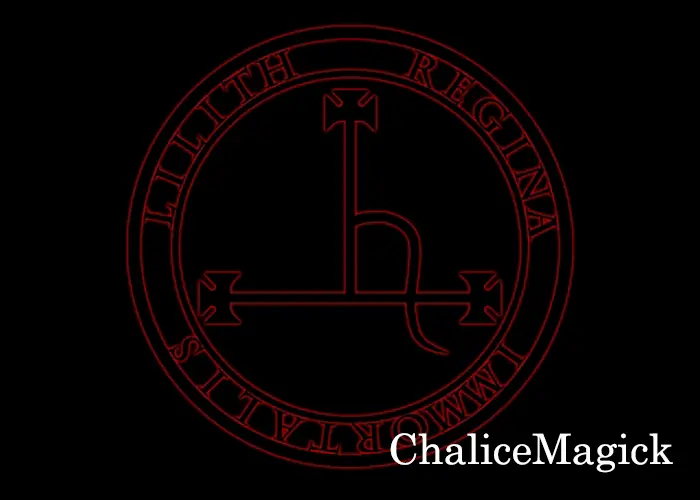
Who is Lilith in the Bible is a shorter answer than most people expect — she’s mentioned exactly once, in Isaiah 34:14, in a passage describing desolate wilderness inhabited by wild creatures. The original Hebrew term is genuinely ambiguous, and translators across history have rendered it differently — as a night creature, a screech owl, and in some early Greek translations, even as an entirely different mythological being altogether. The single, brief biblical mention is really just the starting point of a much longer story that developed almost entirely outside of scripture itself.
For another figure whose brief scriptural footprint grew into a vast later mythology, my guide on Beelzebub the demon lord covers that pattern.
Is Lilith a Demon? Mesopotamian and Talmudic Roots
Is Lilith a demon in the way we think of demons today? The roots trace back further than Judaism itself. Ancient Mesopotamian traditions describe wind spirits called Lilitu, generally considered dangerous, disorder-bringing entities — with related figures specifically feared for endangering pregnant women and infants. Many scholars believe the name Lilith is the Hebrew adaptation of these older Mesopotamian figures.
For the broader family of spirits she emerged from, my guide on the 7 terrifying Mesopotamian demons covers that tradition.
By the time of the Talmud, Lilith had been fully absorbed into Jewish demonology as a succubus — a female demon described with long hair and wings, said to seek out men during sleep. Protective incantation bowls dating back over a thousand years, inscribed specifically to ward her off, confirm just how seriously this belief was taken by ordinary people at the time.
Those bowls are the detail I always bring up when someone dismisses Lilith as ‘just a story’ — ordinary households were paying to inscribe protection against her a thousand years before anyone called her a feminist icon.
Demon Queen Lilith: The First Wife of Adam
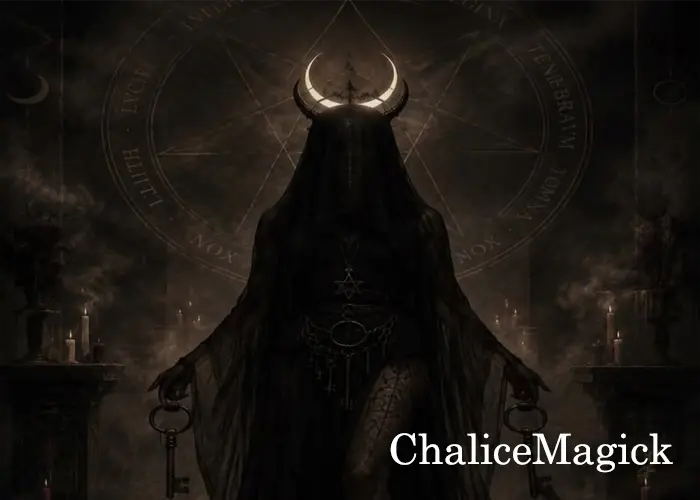
The story most people actually know — Lilith as Adam’s first wife — comes from a much later text called the Alphabet of Ben Sira, dating to somewhere between the 8th and 10th centuries. In it, Lilith is created from the same earth as Adam and refuses to submit to him, insisting they’re equal since they share the same origin. She flees rather than submit, and when angels are sent to bring her back, she refuses, accepting instead a role harming infants in exchange for her freedom — with certain protective amulets said to hold power over her.
Later Kabbalistic tradition, particularly the Zohar, expanded her story considerably, describing her as the consort of Samael, a fallen angel closely associated with Satan in Jewish tradition — cementing her reputation as demon queen Lilith, ruler over a vast host of lesser night spirits in some accounts.
When clients come to me curious about working with her, that layered history is exactly where the conversation starts — which version of Lilith someone is actually drawn to matters, because they are not the same figure.
Lilith in Modern Culture
From the 17th century onward, Lilith moved well beyond religious scholarship — appearing in Goethe’s Faust, Romantic-era poetry and painting, and eventually becoming a significant symbol in 20th-century feminist reclamation, most notably through Judith Plaskow’s influential essay reframing Lilith as a woman resisting imposed submission rather than a monster to fear.
Today, she appears constantly across film, television, literature, and games — often reinterpreted quite differently depending on the creator, from villain to protector to symbol of independence. That range says a lot about how flexible her myth has become over centuries of retelling.
For those drawn to working with her directly, I offer a dedicated Lilith spiritual pact service.
FAQ
Who is Lilith in the Bible specifically?
She’s mentioned only once, in Isaiah 34:14, in a passage about desolate wilderness. Her much larger mythology developed almost entirely outside the biblical text itself, in later Jewish literature.
Is Lilith a demon or a rejected first wife?
Both, depending on the source. Talmudic tradition describes her primarily as a succubus-type demon; the later Alphabet of Ben Sira introduces the “first wife of Adam” narrative that most people know today.
Why is she sometimes called demon queen Lilith?
Later Kabbalistic tradition, especially the Zohar, positions her as the consort of the fallen angel Samael and ruler over a host of lesser spirits, giving her a queen-like status within Jewish demonology.
Does Lilith appear in the New Testament or Quran?
No. Her mythology developed entirely within Jewish tradition and later esoteric and occult writing, rather than in either of those texts.
Is demon Lilith worshipped or invoked in modern practice?
Some modern pagan and occult traditions do work with Lilith, often reclaiming her as a symbol of independence and feminine power rather than the purely negative figure she was historically framed as.
For how modern spiritual practice generally works, my guide on modern witchcraft covers the landscape.
Conclusion
Lilith demon mythology spans thousands of years and multiple, often contradictory traditions — from a Mesopotamian wind spirit, to a Talmudic succubus, to Adam’s defiant first wife, to a modern symbol of independence. Whether you see her as a demon, a feminist icon, or both at once, her story is far richer than any single label captures.
If Lilith’s history resonates with you and you’re drawn to working with her more directly, a Lilith demon pact is a path some practitioners explore with proper preparation and respect.
For All Available Witchcraft Services