Modern witchcraft looks a lot less mysterious than people expect, and a lot more personal. Most practitioners I talk to didn’t inherit a rigid rulebook — they built a practice around intuition, everyday life, and whatever genuinely resonates with them.
For the full range of paths modern practitioners blend today, my guide on the types of witchcraft covers the complete map.
This is one of the most common patterns I notice: people assume they need permission, a lineage, or a strict set of rules before they can call themselves a witch. In reality, most modern practitioners are self-taught, learning through books, trial, and simply paying attention to what feels right.
Modern Witchcraft vs Ancient Witchcraft
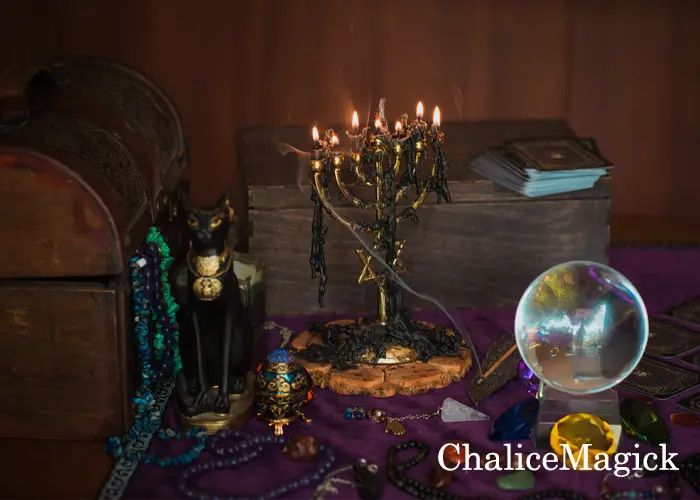
Comparing modern witchcraft to ancient witchcraft is less about right and wrong methods and more about context. Ancient practice was deeply tied to agricultural cycles — planting, harvest, the turning of the seasons — because survival depended on it directly. Rituals marked the wheel of the year because the wheel of the year was daily life.
Today, most of us aren’t farming our own food, but the underlying rhythm still matters to a lot of practitioners. Modern witchcraft often keeps the same seasonal framework — solstices, equinoxes, the phases of the moon — as a way of staying connected to nature, even without the same agricultural stakes.
What’s genuinely different now is access. Ancient practitioners often learned from family or local tradition alone. Modern witches can pull from dozens of traditions, blend what fits, and learn from books, communities, and their own intuition rather than one fixed source.
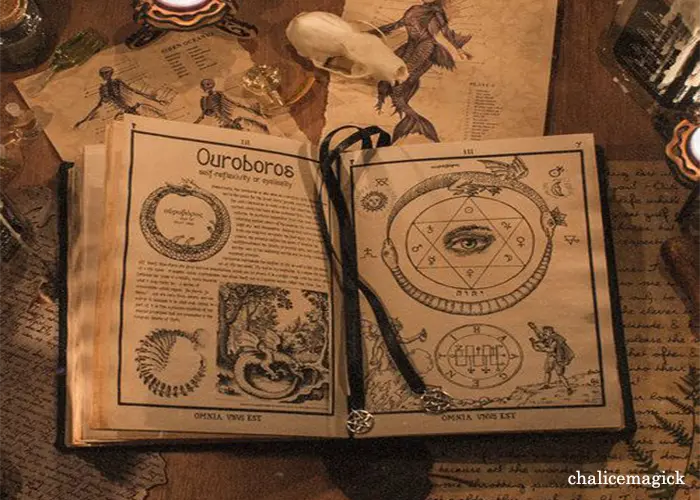
For the texts that carried this knowledge through the centuries, my guide on the 7 forbidden witchcraft books covers where much of it was documented.
Witchcraft Symbols in Modern Practice
Witchcraft symbols carry a lot of the same weight today as they always have, even if their use has evolved. A few of the most common ones you’ll still see constantly:
● The pentacle: protection and the five elements (earth, air, fire, water, spirit)
● The triple moon: the maiden, mother, and crone; the cycles of the moon and of life
● The wheel of the year: the eight seasonal points practitioners still mark today
● Sigils: personal symbols created to hold and direct a specific intention
Modern practitioners often personalize symbols more than older traditions did — creating their own sigils for a specific ritual rather than relying only on inherited ones. The meaning still matters more than the exact design.
Protection Against Witchcraft
A number of people search protection against witchcraft not because they’re against the practice itself, but because they’re worried about negative energy or a curse someone else may have directed at them. That’s a different concern entirely, and a valid one.
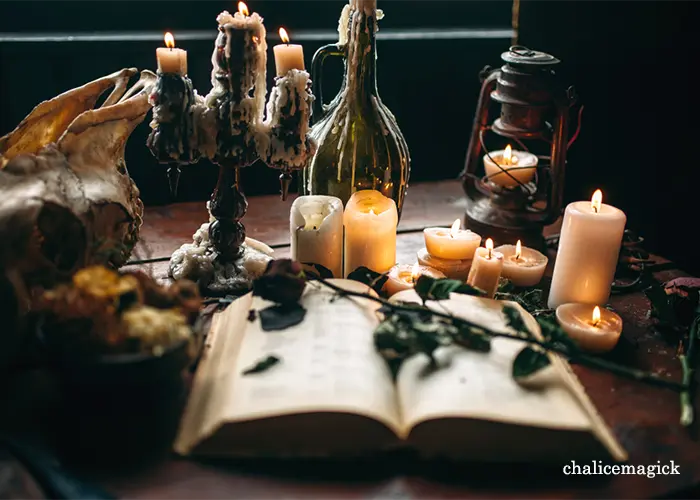
In my experience, protection work usually starts with the basics: cleansing your space regularly, setting clear boundaries energetically, and using protective symbols like the pentacle or specific herbs known for warding. For anyone dealing with something more persistent — a feeling that won’t lift, repeated bad luck, a sense of being targeted — a more thorough protective ritual, done properly, tends to make the difference.
Witchcraft Removal
Witchcraft removal is another phrase people search when they believe a curse or hex has been placed on them and they want it gone. Most people dismiss the early signs at first — a stretch of unusually bad luck, tension that won’t lift, health or sleep issues with no clear cause — before realizing something needs to be actively addressed rather than waited out.
Removal work typically involves identifying what’s actually present, clearing it fully, and then sealing the opening so it doesn’t return. Skipping the sealing step is the most common mistake people make when trying this on their own.
FAQ
Is modern witchcraft the same as ancient witchcraft?
Not exactly. The core intention — working with nature and energy — carries through, but ancient witchcraft was shaped by agricultural survival, while modern witchcraft is shaped by personal practice, access to more traditions, and far more individual freedom in how it’s practiced.
What do witchcraft symbols actually mean?
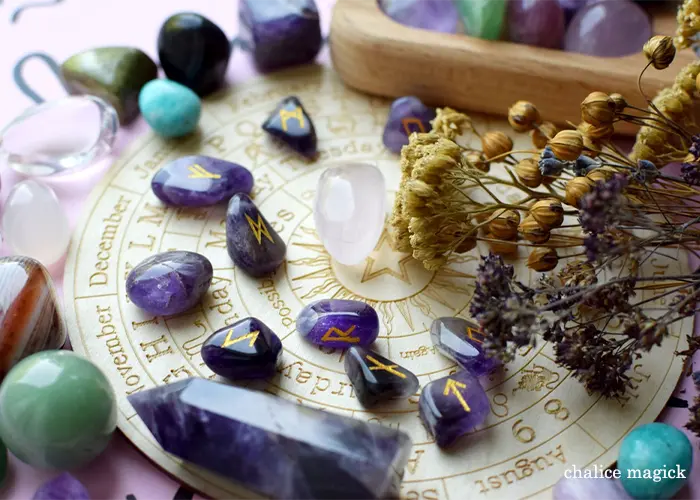
Most represent protection, natural cycles, or personal intention. The pentacle represents the five elements, the triple moon represents the phases of womanhood and the moon, and sigils are typically personal symbols created for a specific purpose.
How do I know if I need protection against witchcraft?
Persistent, unexplained bad luck, a heavy or tense feeling in your space, or a sense that something shifted after a specific event or interaction are all reasons to look into protective work.
For one specific pattern that comes up often, my guide on the 4 facts on how to cure separation and divorce black magic spells covers that case in depth.
Can witchcraft removal be done without a practitioner?
For milder cases, basic cleansing and protective steps can help. For anything persistent or severe, self-attempts often miss the sealing step, which is why the issue tends to return.
Do I need special tools to practice modern witchcraft?
No. Most practitioners will tell you the same thing — the tools amplify intention, they don’t create it. You can start with nothing more than focus and intention, and add tools as your practice develops.
Conclusion
Modern witchcraft keeps the same roots as ancient witchcraft — nature, energy, intention — while giving practitioners far more freedom in how they build their own practice. Whether you’re drawn to witchcraft symbols, curious about protection against witchcraft, or dealing with something that feels like it needs witchcraft removal, the practice today is far more personal and accessible than its history might suggest.
If you’re dealing with something that feels like more than bad luck, or you simply want to strengthen your home’s protection, it’s worth addressing properly rather than waiting it out.
Book a Protection and Curse Removal
For All Available Services