Some traditions disappear with time. Others adapt, transform, and quietly continue shaping how people think. Rosicrucianism belongs to the second category. It doesn’t demand belief, obedience, or membership. Instead, it invites reflection, inner change, and responsibility—often without ever revealing its full face.
What Rosicrucianism Really Is
Rosicrucianism is often described as secretive, but that word can be misleading.
A Spiritual Philosophy, Not a Church
Rather than functioning like a religion, Rosicrucianism operates as a philosophical system concerned with inner development. It focuses on wisdom, transformation, and ethical living rather than worship or doctrine.
This distinction is important when people search for a clear rosicrucianism definition—it’s more about practice and understanding than belief.
Why It Avoids Public Labels
Historically, symbolic language was used not to confuse people, but to protect ideas during periods of persecution. Symbols allowed wisdom to survive without confrontation.
The Role of Symbolism
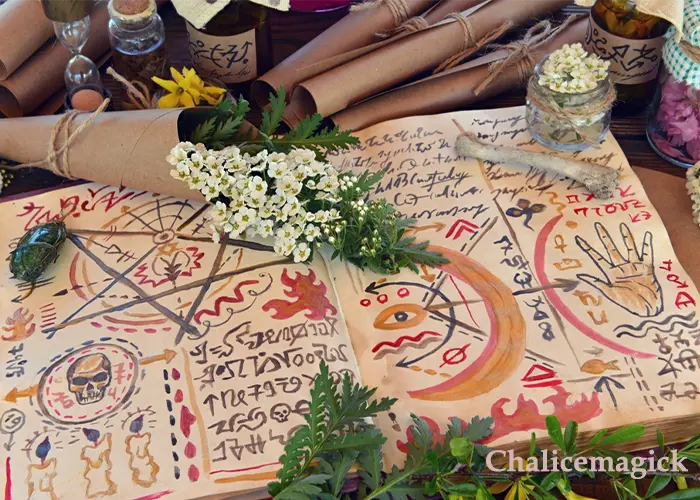
Symbols are not decoration in Rosicrucianism. They are tools.
To better understand how sacred symbols carry hidden spiritual meaning, explore this deeper guide on Metatron’s sacred geometry and symbolic power.
The Rose and the Cross
The rose suggests unfolding awareness. The cross represents structure, discipline, and experience. Together, they express growth through life’s challenges rather than escape from them.
Why Symbolism Matters
Symbolic systems encourage:
• Reflection instead of blind belief
• Personal insight rather than imposed meaning
• Inner discovery over external authority
This symbolic literacy is central to Rosicrucian teaching.
Core Rosicrucian Beliefs
Although interpretations vary, certain themes appear consistently.
Transformation From Within
Alchemy, in this context, is not about metals. It refers to inner refinement—turning confusion into clarity and fear into understanding.
This idea forms the backbone of many rosicrucians beliefs.
Unity Beneath Diversity
Rosicrucianism teaches that different cultures, philosophies, and spiritual systems reflect the same underlying reality. Diversity is expression, not contradiction.
Is Rosicrucianism Ancient or Modern?
The answer is both.
Timeless Ideas, Historical Forms
While the public appearance of Rosicrucianism occurred in early modern Europe, the ideas it expresses—inner wisdom, harmony, transformation—are much older.
They reappear across civilizations under different names.
Why Origins Are Intentionally Unclear
Rather than pointing to one founder, Rosicrucianism emphasizes continuity of insight. This keeps attention on principles instead of personalities.
Initiation and Personal Readiness
Initiation is often misunderstood.
Not a Ritual, But a Shift
True initiation refers to awareness changing direction—from outward validation to inward responsibility. It’s not granted by status, but earned through maturity.
Growth Before Knowledge
Rosicrucian traditions emphasize:
• Character development
• Ethical awareness
• Self-discipline
Knowledge without readiness is considered ineffective.
Conclusion
Rosicrucianism endures because it avoids rigid answers. It challenges individuals to grow, reflect, and take responsibility for their inner world. In a time dominated by noise and instant opinions, that quiet depth feels increasingly rare—and valuable.
about my services
If your spiritual path feels blocked by confusion, stagnant energy, or unseen resistance, deeper clearing may be necessary. My professional spiritual cleansing sessions help remove energetic obstacles, restore clarity, and realign your inner balance for steady transformation.
Restore your spiritual clarity and remove hidden energetic blockages today.
FAQ
What is Rosicrucianism in simple terms?
It is a spiritual philosophy focused on self-transformation, symbolic understanding, and ethical living.
Is Rosicrucianism a religion?
No. It is generally described as spiritual rather than religious and does not require adherence to a specific faith.
What do Rosicrucians believe in?
They emphasize inner wisdom, unity, transformation, and service to humanity rather than dogma.
They also share strong parallels with older mystical systems focused on hidden wisdom and transformation.
If you’re curious about related esoteric traditions, this guide on Hermetic philosophy and spiritual transformation explains the deeper connection.
Are there Rosicrucians near me?
Modern groups exist worldwide, though many people engage with Rosicrucian ideas privately rather than publicly.