Most people hear the word alchemy and immediately think of gold, strange symbols, or secret labs. But that surface idea misses something deeper. Alchemy is less about changing objects and more about understanding how change itself works—within nature, within the mind, and within experience.
The eight insights below trace alchemy from its definition to its most famous idea — the Great Work itself.
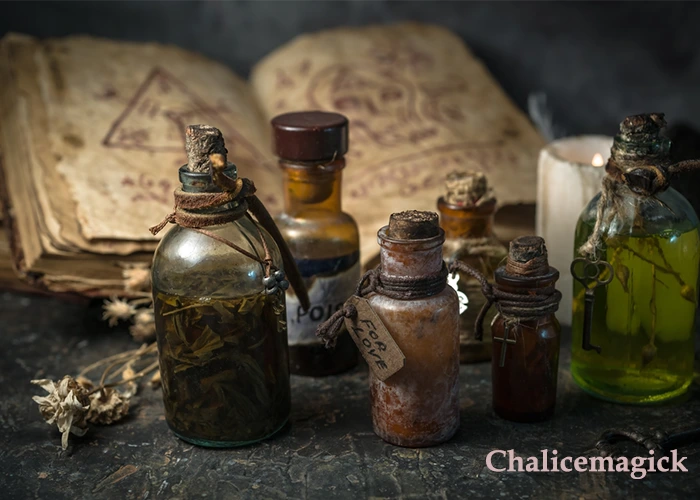
Alchemy Is a Process, Not a Thing
Alchemy can’t be reduced to one definition because it describes movement rather than a fixed system. When people ask what is alchemy, they’re usually looking for a clean explanation — but this art describes transformation over time, applying to matter, awareness, emotions, and even perception. At its core, it studies how something becomes more refined.
Insight 1: Reduction Before Elevation
One overlooked aspect of this kind of occult science is simplification. Before something evolves, it must be stripped down to what truly matters. This applies just as much to inner habits as it does to physical substances.
The Deeper Meaning Behind Alchemical Symbols
Alchemy speaks through images for a reason.
Insight 2: Symbols as Tools, Not Decorations
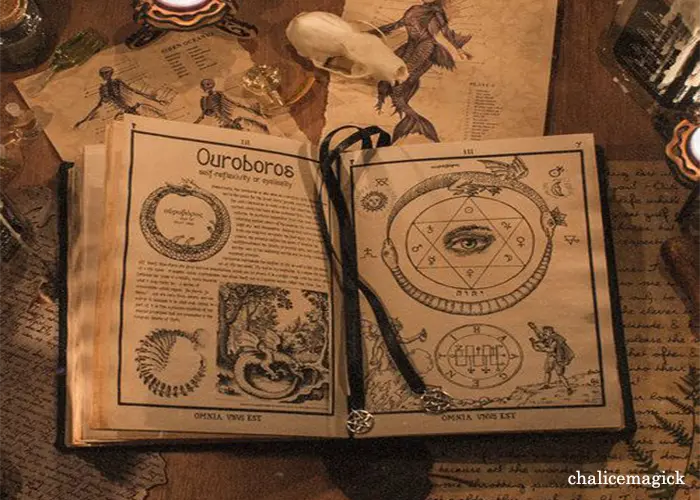
Classic alchemy symbols aren’t meant to be admired. They’re meant to be worked with. Each symbol compresses layers of meaning that unfold through reflection, not memorization.
This symbolic language prevents shallow interpretation.
Insight 3: Fire, Light, and Change
Across alchemical traditions, fire represents active transformation. Not destruction—but motion. Whenever something shifts state, alchemical texts describe it as heat, light, or ignition.
Alchemy and Inner Transformation
One of the biggest misunderstandings is that this science only works outwardly.
Alchemy often overlaps with other ancient systems of transformation. For another powerful path of inner refinement, explore my guide on the 7 truths about Hermeticism.
Insight 4: From External Change to Internal Growth
Over time, the Alchemical art became associated with inner refinement. Emotional patterns, mental habits, and perception itself are all seen as substances capable of transformation.
This is why modern explanations of alchemy definition often focus on consciousness rather than metals.
Insight 5: Why Not Everyone Experiences This Art the Same Way
This art responds to the state of the practitioner. Two people following the same practice may experience completely different results because awareness itself shapes the outcome.
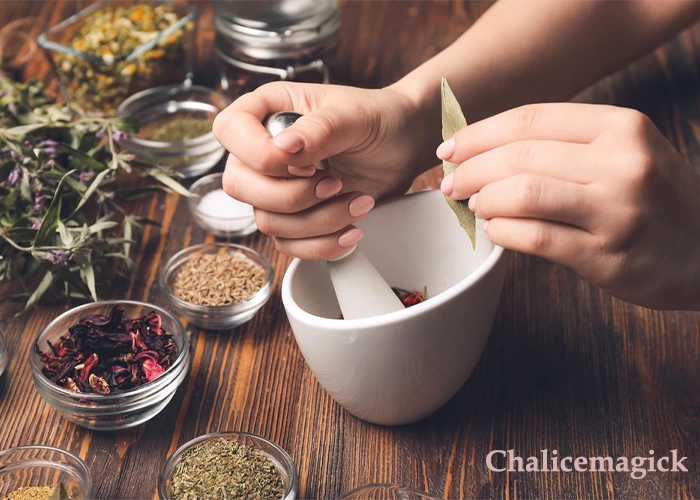
Creation Is Also an Alchemical Act
Alchemy doesn’t begin with change — it begins with creation.
Insight 6: How Experiences Take Form
Alchemy describes how intention, awareness, and structure interact to form reality. Thoughts don’t remain abstract; they influence behavior, perception, and outcome — which makes this art relevant to daily life, not just spiritual study. Every creation also contains contrast: light implies shadow, movement implies resistance. It studies how balance emerges from tension rather than avoiding it.
Alchemy as Healing and Integration
Healing is not separate from transformation.
Insight 7: Regeneration Instead of Repair
Alchemy views healing as reorganization, not fixing something broken. When systems realign, health follows naturally — physically, emotionally, and mentally. And transformation without integration creates instability, which is why the art insists on balance between insight and grounding, awareness and responsibility.
Insight 8: The Great Work — Alchemy's Most Famous Idea
No concept from alchemy is more famous than the Great Work (the Magnum Opus): the staged refinement of raw matter toward the Philosopher’s Stone. The classical arc is dramatic — nigredo, the blackening, where the old form breaks down; albedo, the whitening, the purification that follows; and rubedo, the reddening, the completion where base material becomes something entirely new. What most people miss is that the Stone was never just about gold. Read symbolically, the Great Work maps the journey of the practitioner: breakdown, purification, rebirth. That is the “gold” the alchemists were really pursuing.
Conclusion
Alchemy survives because it addresses something timeless: change. Whether applied to thought, emotion, or action, its principles explain how refinement happens naturally when awareness is present. It doesn’t promise shortcuts—only understanding.
About My Services
If persistent obstacles, emotional heaviness, or spiritual interference are blocking your progress, deeper energetic purification may be needed. My professional spiritual cleansing sessions focus on removing black magic, clearing stagnant energies, and restoring alignment so transformation can happen naturally.
Ready to remove energetic blockages and restore balance? Explore my spiritual cleansing service today.
FAQ
What is alchemy in simple terms?
It is the study of transformation—how things evolve from one state into a more refined form.
Is alchemy only symbolic?
No. While symbols are used, this art also applies to psychology, healing, and practical life processes.
What do alchemy symbols represent?
They represent stages of transformation, balance, and refinement rather than literal objects.
How is Alchemical art used today?
Today, this science appears in personal development, holistic healing, and spiritual practices focused on awareness and integration.
For practical methods of applying energetic transformation in daily life, my guide on powerful spiritual cleansing techniques explains modern cleansing work clearly.