In ancient Mesopotamia, the supernatural wasn’t just a myth—it was everyday reality. People lived alongside Mesopotamian demons, spirits that could bring misfortune, illness, or even death. Unlike the purely evil creatures often portrayed in modern fiction, these beings had complex personalities, capable of both harm and protection. Understanding these demonic entities reveals not just ancient fears but also the early roots of ritual magic and exorcism.
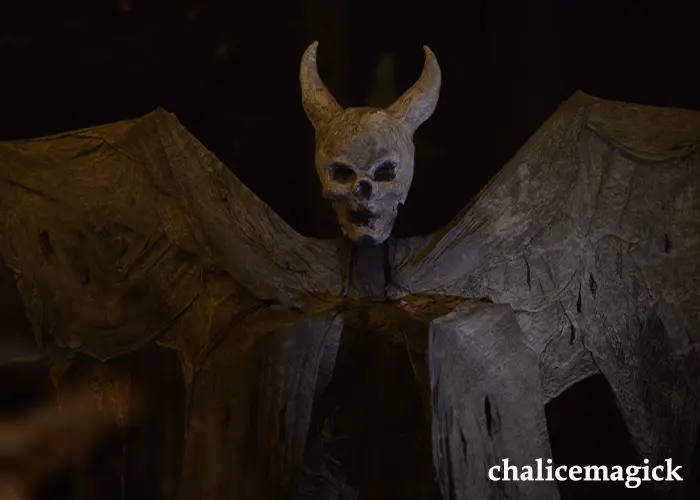
The World of Mesopotamian Demons
Mesopotamian societies, from Sumer to Babylon, believed in a vast range of supernatural beings. These demons of Mesopotamia weren’t inherently evil—they were spirits with personalities, emotions, and motivations.
Not All Demons Were Evil
• Some demons acted as intermediaries between gods and humans.
• Protective demons, like Pazuzu, shielded people from more dangerous spirits.
• Malevolent demons caused illness, misfortune, and even death, often linked to childbirth or disease.
This nuanced understanding shows that ancient Mesopotamians approached these entities pragmatically, developing rituals and magic to manage their influence.
Famous Mesopotamian Demon Entities
Lamashtu – The Baby-Eating Demon
Lamashtu was feared for her attacks on mothers and infants. Depicted with a lion’s head, taloned hands, and snakes, she symbolized the dangers of childbirth. Protective rituals often involved figurines or incantations to keep her away from homes.
Pazuzu – The Guardian Demon
Despite his fearsome appearance with claws and wings, Pazuzu was a protector against Lamashtu. Statues of Pazuzu were placed in homes, especially near expectant mothers, showcasing how demonic entities could serve both good and evil purposes.
Lilith and Ardat-Lili – Wandering Spirits
• Liliths: Female spirits of women who died in childbirth, haunting homes at night.
• Ardat-Lili: Spirits of unmarried women who wandered and caused disturbances.
These entities highlight the Mesopotamian connection between death, the afterlife, and supernatural influence.
For readers exploring how ancient demonic systems evolved across traditions, this deeper guide on Types of demons and their origins offers broader insight into demonic hierarchies and origins.
Ancient Protective Practices
Mesopotamians didn’t just fear these beings—they actively fought back. Exorcists, known as ashipu, were specialists in rituals, magic, and healing.
Tools of the Ashipu
• Amulets and talismans: Often made of animal hide, plants, or carved figurines, infused with protective spells.
• Incantations: Spoken words invoking gods like Marduk, Ishtar, or Enki to banish evil.
• Figurines and ritual objects: Used to represent demons or witches, absorbing their malevolent energy during rituals.
Examples of Rituals
• Figurines of Lamashtu could be fed and cared for to appease her, then buried outside the city walls.
• Pazuzu figurines served as wards to prevent harm.
• Written spells or inscriptions on bowls or parchment offered protection and continuity of magical practice.
These practices show the sophisticated spiritual system in Mesopotamia, blending religion, magic, and medicine.
How Demons Shaped Daily Life
The presence of Mesopotamian demon entities affected every aspect of life:
• Childbirth and fertility rituals relied on protective magic.
• Illnesses and unexplained phenomena were often attributed to malevolent spirits.
• Everyday precautions, like hanging amulets or consulting an ashipu, were standard practice.
By embedding demons into their worldview, Mesopotamians created one of the earliest structured systems of exorcism and ritual protection.
Conclusion
The study of Mesopotamian demons uncovers a rich tapestry of spiritual beliefs and rituals. From Lamashtu to Pazuzu, these demonic entities shaped medicine, magic, and daily life in ways we still recognize today. Their presence reminds us that the unseen world has long been intertwined with human survival, protection, and culture.
about my services
Ancient civilizations understood that spiritual protection was essential for preserving peace, health, and balance.
If you feel affected by unexplained spiritual heaviness, recurring disturbances, or negative energetic pressure, my spell casting services can help you identify and remove harmful influences while restoring energetic protection.
FAQ
What are Mesopotamian demons?
They are spiritual beings with personalities that could be protective, harmful, or neutral, influencing daily life in ancient Mesopotamia.
Who was Lamashtu?
Lamashtu was a feared female demon entity who threatened mothers and infants, often countered with rituals and protective figurines.
How did Mesopotamians protect themselves from demons?
They used amulets, incantations, ritual figurines, and professional exorcists (ashipu) to ward off or control malevolent entities.
Were all demons evil in Mesopotamia?
No. Some demons, like Pazuzu, served protective roles, while others caused misfortune. Their nature depended on personality and circumstance.
If you’re interested in how protective and destructive entities compare in later occult traditions, explore this guide on The 7 Princes of Hell