This question comes up more than almost any other I get asked: white magic vs black magic, what’s the actual difference? Most people arrive with a simple picture already in their head — white is good, black is evil — and honestly, that’s usually where the confusion starts.
In my experience, the real difference has very little to do with good and evil, and a lot more to do with intention, force, and how directly the work is done. A surprising number of cases I see involve someone convinced they’ve stumbled into “black magic” simply because a ritual felt intense, when really it was just direct.
What Is White Magic?
White magic is generally the gentler end of practice — healing, protection, blessing, and cleansing work. It’s designed to support an outcome rather than force one. Think cleansing a space of negative energy, protecting a home, or drawing in luck or calm.
Most people are introduced to white magic first, because it feels safer and more approachable. There’s truth to that. But gentle doesn’t mean weak — white magic can be just as effective as anything else, it simply works with a lighter hand.
For a set of practical workings in this gentler style, my guide on the 10 magical witchcraft practices for abundance covers real rituals.
What Is Black Magic?
Black witchcraft and black magic get the reputation as the ‘dangerous’ side of practice, and that reputation isn’t entirely undeserved — but it’s usually misunderstood. Black magic is defined by directness and force: reversal work, binding, or confronting a specific problem head-on rather than gently influencing it.
This is one of the most common patterns I notice: people using black magic defensively — to reverse a curse someone placed on them, to remove a persistent obstacle, or to protect themselves from someone actively working against them. That’s not evil. That’s someone using a stronger tool because the situation called for it.
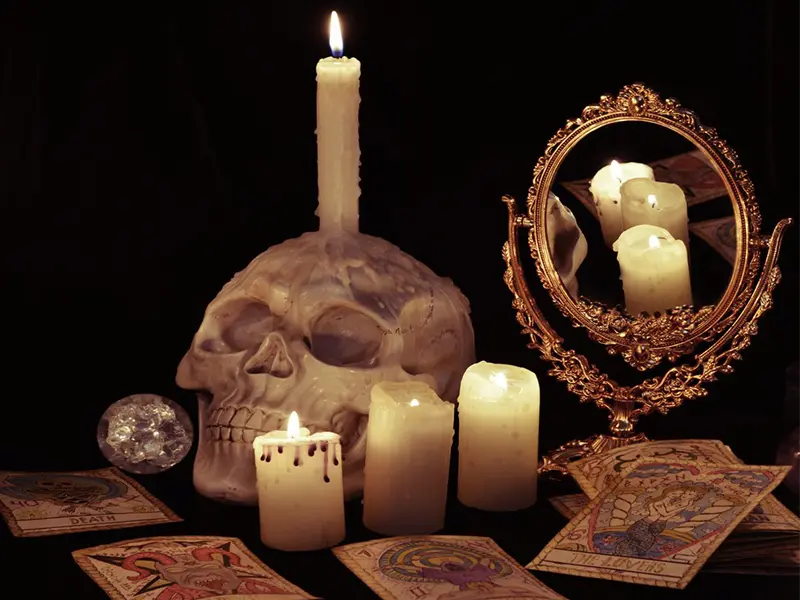
Key Differences: White vs Black Magic
When people ask me to break down white vs black magic simply, it usually comes down to three things:
– Intention — white magic tends to support or heal; black magic tends to confront or reverse
– Force — white magic works gently over time; black magic works more directly and immediately
– Risk — black magic, done carelessly, can backfire more easily than gentler work, which is why experience matters more the further you lean into it
Neither side is inherently “better.” A protection ritual and a binding ritual are just different tools for different problems, not a moral hierarchy.
Common Misconceptions
People rarely notice this until it’s pointed out: white magic vs black isn’t actually a battle between opposing sides. It’s closer to a spectrum, and most experienced practitioners move along it depending on what’s needed, rather than staying locked to one end.
For where gray magic fits between the two, my guide on white magic, black magic and gray magic covers the full spectrum.
Another misconception is that intensity equals darkness. A ritual can feel heavy, dramatic, or emotionally charged and still be entirely white magic — protection work in particular can feel intense simply because it’s addressing something serious. Fear usually makes people label things “black magic” that are really just unfamiliar or emotionally charged white magic.
FAQ
Is black witchcraft always harmful to others?
No. Black witchcraft is defined by directness, not by malicious intent. It’s commonly used defensively — reversing harm already directed at someone, rather than causing it.
Which is stronger, white magic or black magic?
Neither is inherently stronger. White magic tends to work gradually and gently; black magic works more directly and immediately. The right choice depends on the problem, not on which is more powerful.
Can white magic turn into black magic if the intention changes?
In a sense, yes. Since the difference is largely about intention and force rather than the ritual itself, the same technique can shift depending on what’s driving it.
Is it dangerous for a beginner to try black magic?
It carries more risk than gentler white magic, mainly because of how directly it works. Most practitioners recommend building experience with white magic first.
For how precisely targeted some of this work can be, my guide on whether witchcraft spells can be done using a photo explains the mechanism.
Do I have to choose only white or only black magic?
No. Most practitioners use both depending on the situation — gentle work for everyday balance, and more direct work when something requires it.
Conclusion
White magic vs black magic isn’t really a story of good versus evil — it’s a difference in intention, force, and approach. White magic supports and heals gently; black magic confronts and reverses directly. Most experienced practitioners use both, depending on what the moment actually calls for, rather than committing to one side permanently.
If you’re trying to figure out where your own practice fits between white and black magic, the right guide can save you a lot of trial and error. I always recommend starting with material that explains both honestly, without the fear-based framing so much of the internet leans on.
Explore My Full Witchcraft Book Collection
For All Available Services