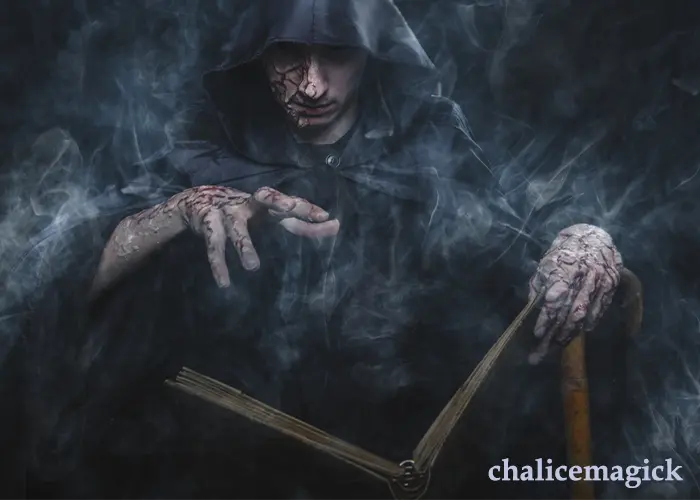
Necromancy has long fascinated humans, from ancient shamans to modern fantasy stories. But what is necromancy really? Far beyond the spooky tales of raising the dead, necromancy started as a practice connecting the living with the wisdom of the departed. Understanding its history can give insight into how humans have tried to grasp life, death, and the mysteries in between.
The Origins of Necromancy
Spirits and Divination in Early Societies
Necromancy traces back thousands of years, to a time when humans first imagined an afterlife. Early shamans would enter trance states to guide souls, ask the deceased questions, or retrieve spiritual knowledge. Ancestor worship, which predates written history, shows that humans have always sought guidance from the dead, whether for healing, wisdom, or insight.
Necromancy in Ancient Texts
Even the Old Testament references necromancy. In 1 Samuel 28, King Saul consults the Witch of Endor to summon the prophet Samuel’s spirit, despite having outlawed such practices. This story evolved over centuries, shifting focus from Saul to the woman medium, highlighting society’s changing perception of necromancy.
Necromancy in Greek and Roman History
Oracles and Skull Necromancy
Greek mythology is full of necromantic tales. Orpheus descended into the underworld to rescue Eurydice, and his decapitated head continued to prophesy—a practice known as skull necromancia. Similarly, Sparta’s King Cleomenes reportedly consulted the preserved head of a friend for advice, demonstrating that the dead were believed to hold knowledge beyond the living’s reach.
The Necromanteion of Ephyra
The Necromanteion, a Greek necromantic temple, allowed visitors to summon spirits for guidance. Subterranean chambers, rituals, and protective circles were part of the practice. Though some devices created illusions, the belief in communicating with the dead was widespread, showing necromancy’s integration into societal decision-making.
Necromancy Through the Middle Ages
Transformation and Misconceptions
By the 13th century, necromancy in Europe had shifted from divination to what many perceived as black magic. Practices now involved spells, exorcisms, and astral rituals. Spirits that were once consulted for guidance became confused with demons. Yet historical texts show that necromancers often held strong beliefs in God and conducted rituals with fasting, prayer, and purification.
Purpose of Necromantic Practices
Necromancers sought knowledge, manipulation of circumstances, or creation of illusions. They weren’t aiming to commit evil but to access spiritual wisdom. Rituals involved protective circles, incantations, and sometimes offerings like honey or milk. Some practices required young assistants to interpret reflective surfaces, highlighting the complex ceremonial nature of necromance.
Necromancy’s Legacy in Modern Spirituality
From Spiritualism to Quimbanda
While necromancy faded after the Renaissance, its principles persisted. Spiritualism, popularized by the Fox sisters, involved contacting spirits through séances. In Brazil, the religion of Quimbanda continues similar practices, calling upon spirits like Exus, Pomba-Giras, and Ogum for guidance in matters of justice, relationships, and crossroads.
Conclusion
Necromancy is far more than the dark, magical art portrayed in stories. It reflects humanity’s enduring quest to understand life, death, and unseen forces. From shamans and Greek oracles to medieval magicians, necromancy reveals how societies have tried to access the wisdom of the departed. Understanding this history allows us to see spiritual practices in a new light, connecting past beliefs to present curiosities.
About my services
If you feel drawn to explore spiritual practices safely, consider guided sessions with me as an experienced practitioner. My Personalized guidance can help you understand this practices, perform protective rituals, and connect with ancestral wisdom.check my witchcraft services now
FAQ
What is necromancy?
Necromancy is the practice of communicating with the dead for guidance, knowledge, or insight, often involving rituals, symbols, and protective measures.
Are necromancy spells real?
Historically, necromancy spells were intended to summon spirits or gain insight. While their effectiveness is debated, they were taken seriously in ancient and medieval societies.
What is necromancia?
Necromancia is simply the Spanish term for necromancy, referring to the same practices of spirit communication and divination.
How did necromancy evolve over time?
necromancy began as ancestral communication and divination, later evolving into ceremonial magic, and eventually influencing spiritualist movements and religions like Quimbanda.